Output power is jointly determined by voltage and current:
Output power P = Output voltage × Current = (Nominal voltage − Current × Internal resistance) × Current
From the formula, it can be seen that the larger the internal resistance r, the greater the voltage drop (I × r), and the lower the output power. High internal resistance simultaneously reduces output voltage and limits maximum output current, severely constraining the battery’s output power.
For devices that require instantaneous high current, using high-internal-resistance batteries may result in:
· Unexpected device restarts
· Recording interruptions
· Inability to operate at full load
03|Four Key Processes: Building a Low-Internal-Resistance Defense from the Source
To reduce internal resistance at its root, we precisely control every V-mount battery through the following five core processes:
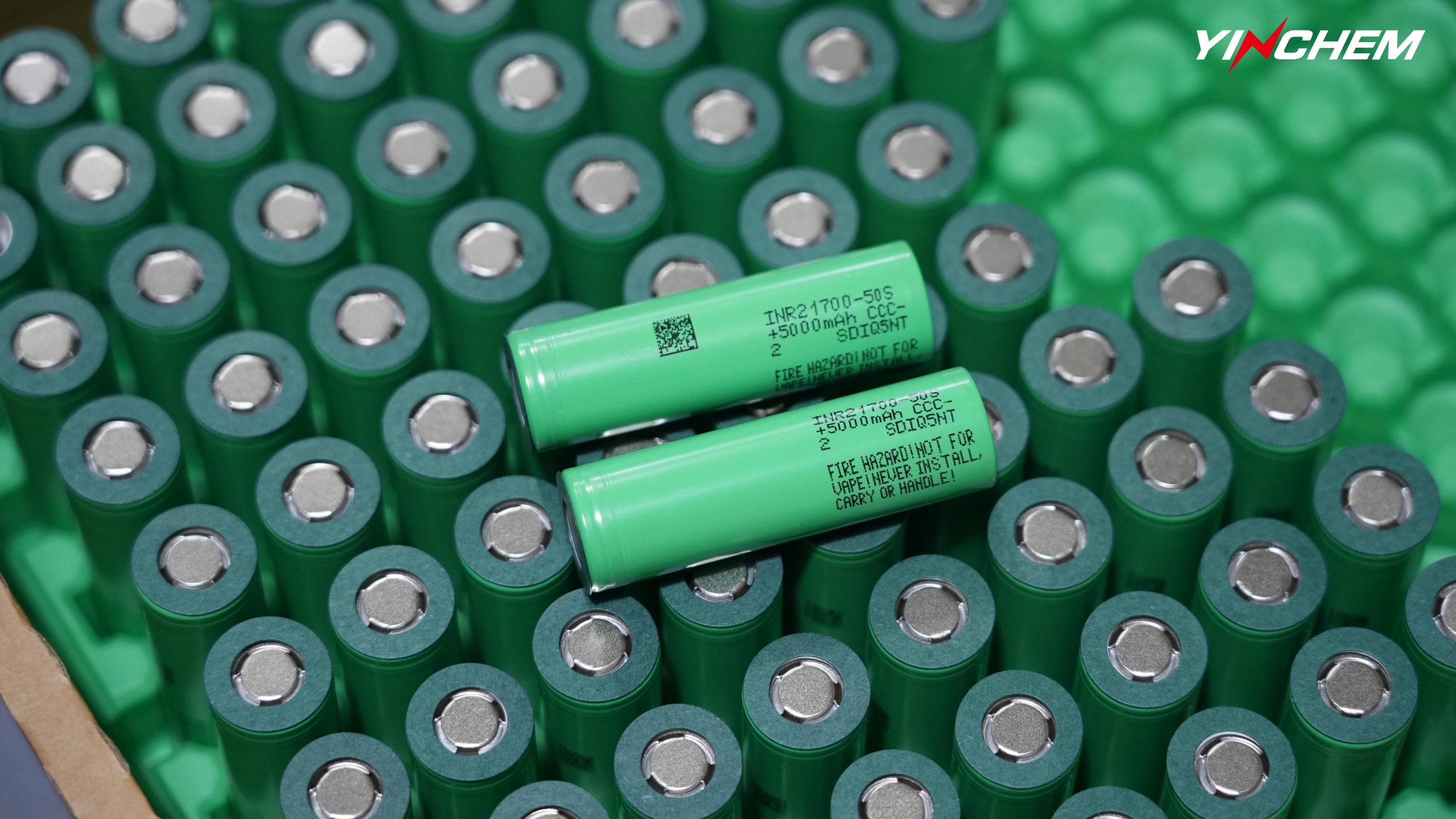
① Carefully selected first-tier high-rate cells
Cells are the source of internal resistance. We strictly select high-rate cells from first-tier brands such as Samsung, LG, and Panasonic. These cells use advanced electrode materials and manufacturing processes, offering high factory consistency and laying a solid foundation for building low-internal-resistance battery packs. At the same time, the cells feature excellent high-rate discharge capability, stably supporting 3C–5C discharge demands.
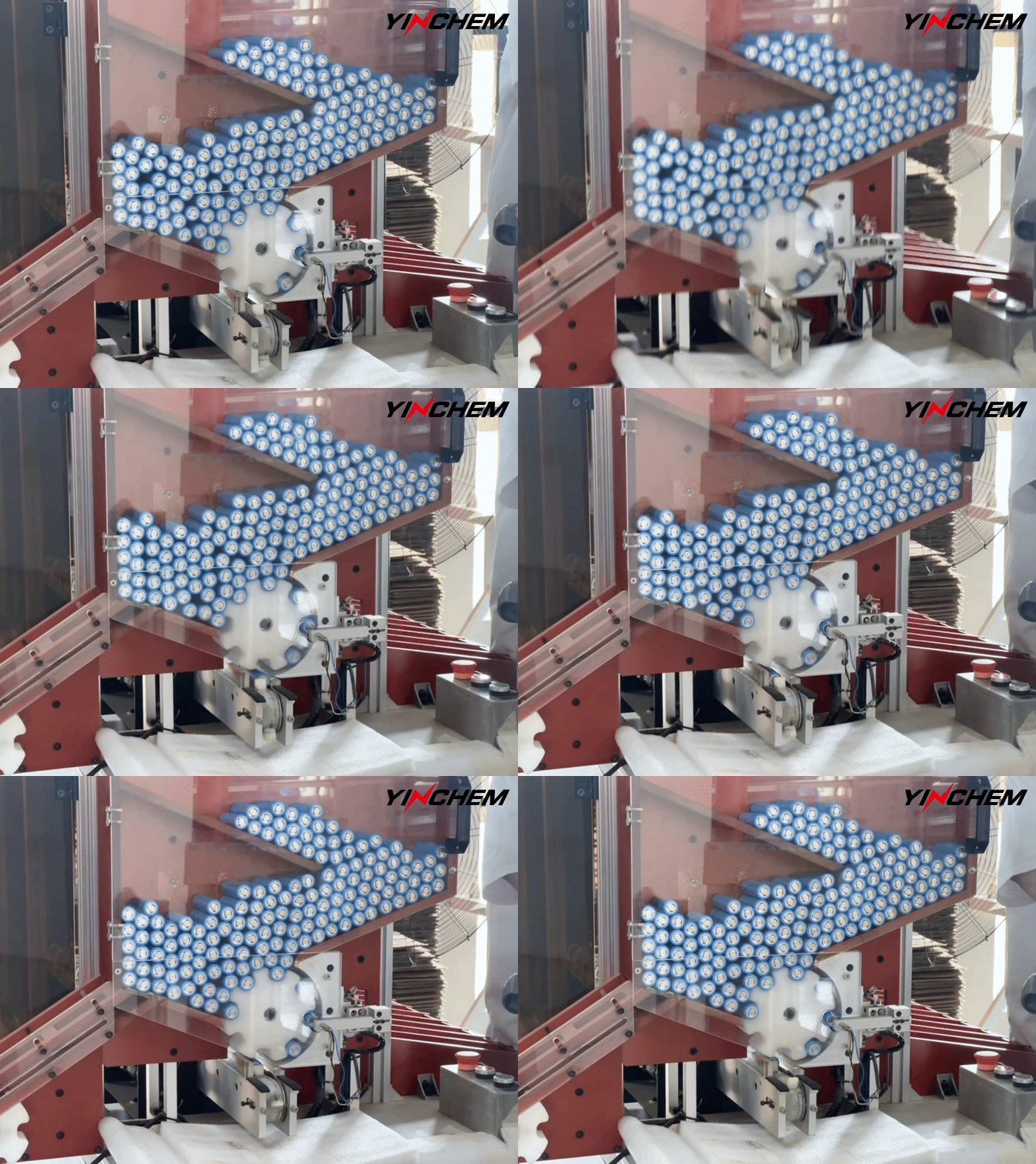
② Precision cell consistency matching
Before assembling battery packs, we strictly screen and match every cell to ensure high consistency in voltage, capacity, and especially internal resistance.
Our matching standards:
Internal resistance difference controlled within 1 mΩ
Why is consistency so important?
Cells with poor consistency will “drag each other down” within a pack—cells with higher internal resistance endure greater voltage drop and heat generation, accelerating overall performance degradation and creating a “barrel effect.”
③ Laser spot welding process, rock-solid connections
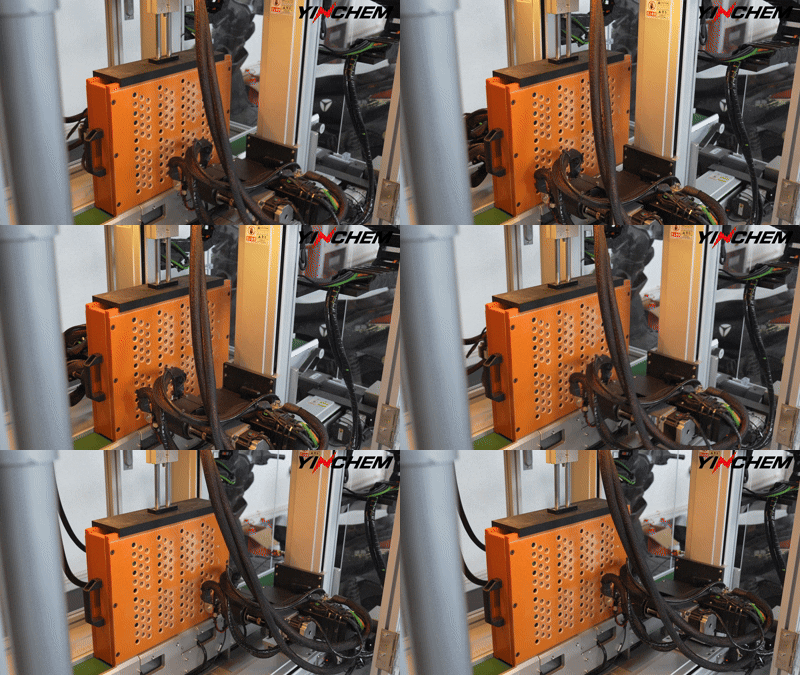
In the cell connection stage, we abandon traditional manual welding methods and fully adopt high-precision laser spot welding technology.
Laser spot welding achieves high-energy fusion in an extremely short time, forming dense and stable integrated connections between cell tabs and connectors.
Compared with traditional welding methods:
· Higher weld point consistency
· Lower and more stable contact resistance
Why does the connection method affect internal resistance?
Unstable weld quality can gradually loosen under long-term vibration, frequent handling, and high-current impacts, easily leading to increased resistance. This not only generates heat but also drags down the output capability of the entire battery pack.
④ Gold-plated treatment of critical interfaces
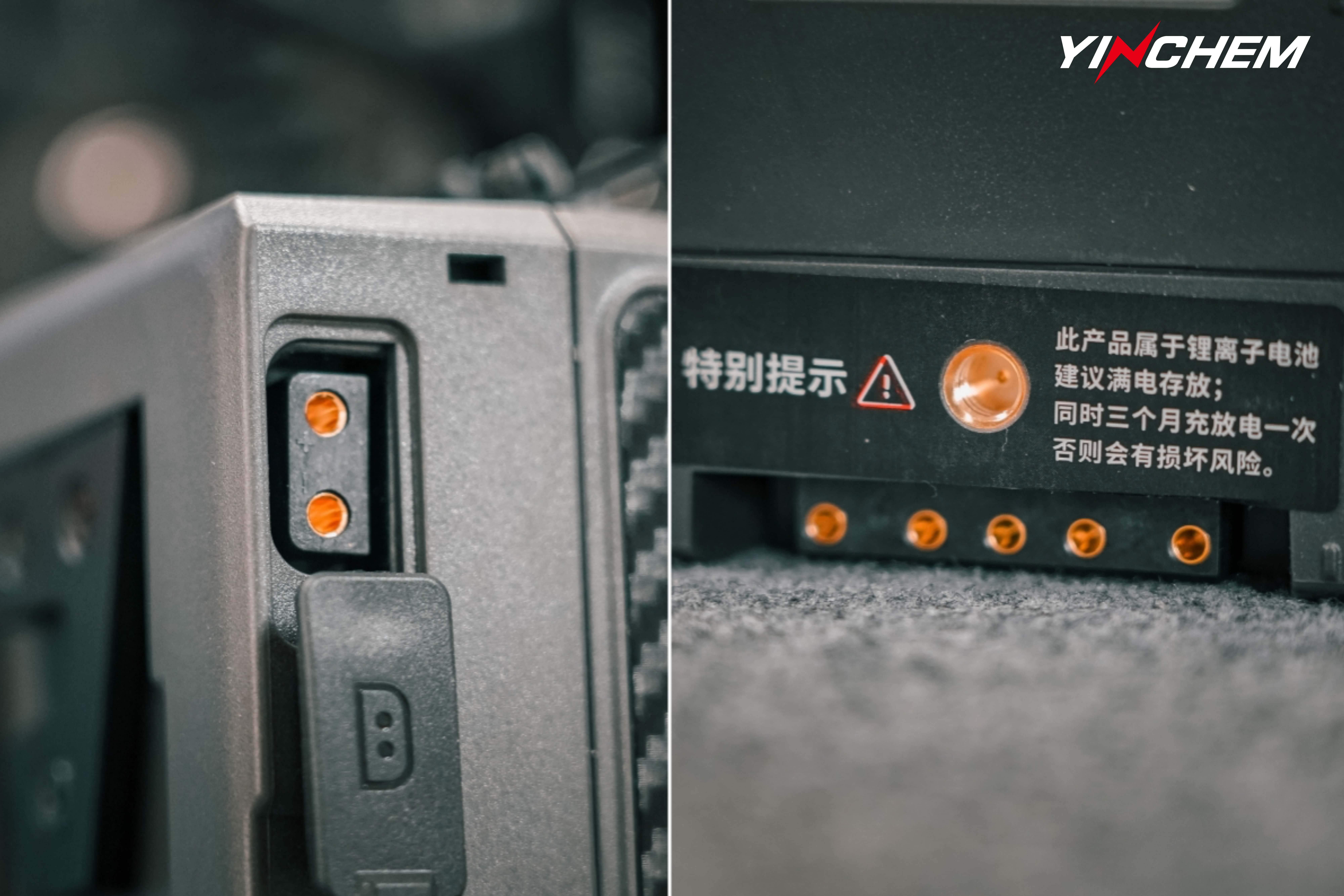
For key current pathways such as the BP and D-Tap output ports of V-mount batteries, we uniformly apply gold-plating treatment.
The gold-plated layer offers excellent conductivity and maintains stable, low-resistance performance over long-term use.
The practical advantages include:
· Lower contact resistance, smoother current transmission
· Less performance degradation after frequent plugging and unplugging
· Stable output even in complex shooting environments
Why can’t interface details be ignored?
During high-power output, interfaces are often among the areas with the highest current flow. Even a minute increase in resistance can be amplified into additional heat generation and voltage loss, directly affecting stable power supply to equipment.
04|The Core Value of Low Internal Resistance: Performance Enhancement and Peace of Mind
Low-internal-resistance V-mount batteries bring comprehensive performance improvements and safety assurance to your entire shoot:
💡Efficient energy transfer, real and visible runtime
Low internal resistance means less electrical energy is converted into useless heat inside the battery, allowing more energy to be efficiently delivered to your equipment and significantly increasing actual usable runtime. This efficiency advantage is especially evident when powering high-consumption devices such as monitors and cameras, or during long-duration shoots.
💡Stable power output, distraction-free creation
Low internal resistance ensures that batteries maintain highly stable output voltage when facing sudden scenarios, such as cameras starting recording abruptly or lights turning fully on instantly. Cameras, monitors, lights, and other equipment receive continuous and stable power supply, effectively preventing image flicker, device crashes, or unexpected shutdowns caused by voltage fluctuations—keeping creative work fully powered and under control throughout.
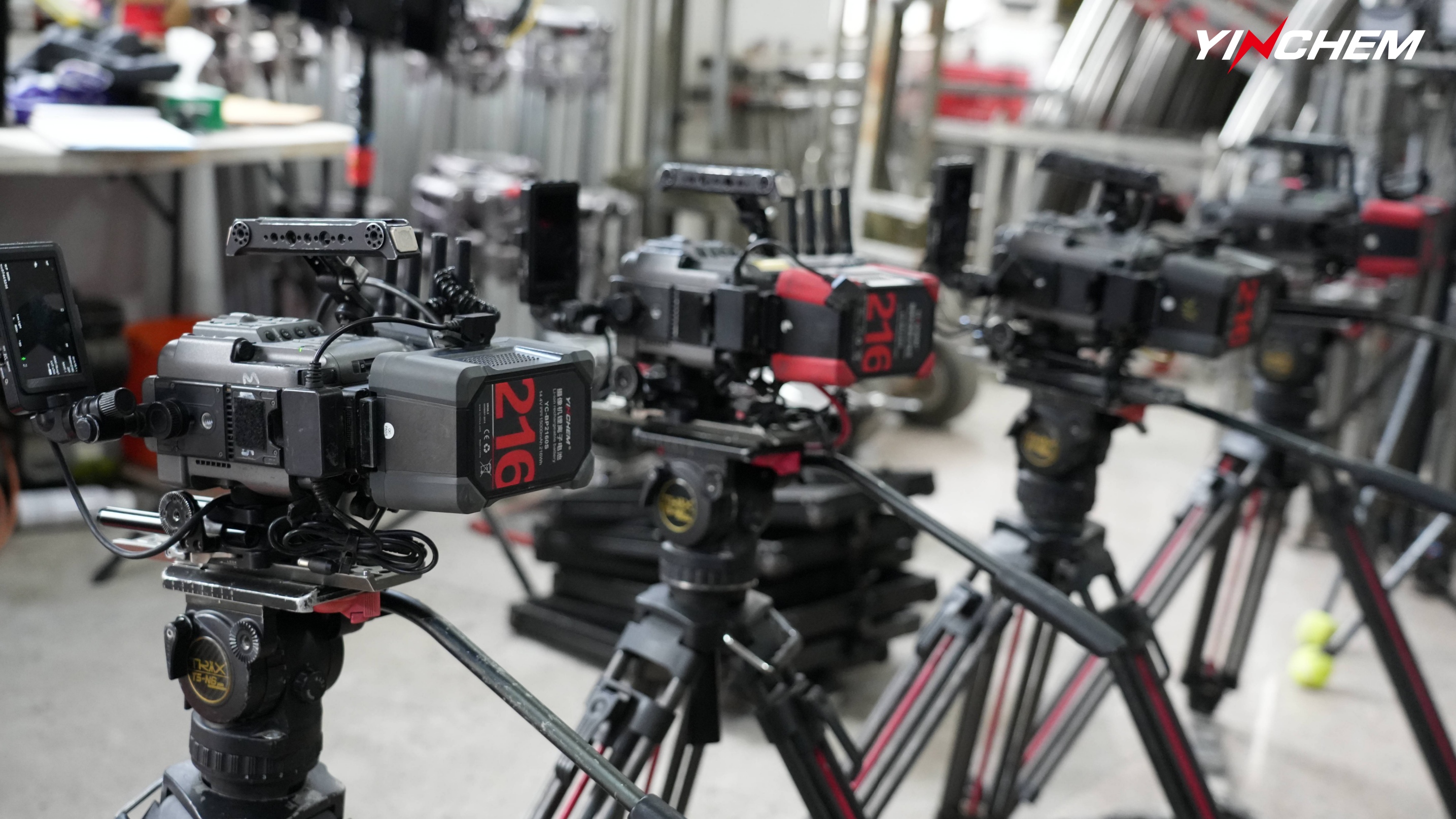
Internal resistance, though hidden inside the battery, truly defines the performance boundaries of V-mount batteries. In the time-critical world of professional creation, every watt-hour of power determines whether creativity can be perfectly realized. Choosing a low-internal-resistance V-mount battery means not only longer runtime and lower operating temperatures, but also a reliable guarantee that will never fail at critical moments.
*Technical parameter note: The data in this article is based on laboratory standard testing conditions (25°C, standard atmospheric pressure). Actual performance during use may vary depending on environmental temperature, device power consumption, battery aging, and other factors.








 Company Email:
 Company Address: